

Making a lunch box is easy and fun. It’s all about balance and variety, making it great for any time. You can try out bento box ideas at home with different ingredients and looks.
Our guide focuses on healthy lunches. It will help you make a meal that’s both tasty and looks good. Share your meals with the todorecipes community and friends! Leave your thoughts in the comments below. We love hearing from you.
Key Takeaways
- Learn how to create a balanced and varied meal
- Discover easy and adorable lunch ideas
- Explore different ingredients and presentations
- Get tips on making healthy lunches
- Share your creations and feedback with the community
The Art and History of Japanese Bento Boxes
Japanese bento boxes have a long history, dating back centuries. They are deeply rooted in Japan’s food culture. The idea of bento started in the Kamakura period (1185-1333). It was a simple meal for travelers and workers.
Cultural Significance in Japanese Society
In Japan, bento boxes are more than just food. They symbolize a cultural tradition that values balance, seasonality, and presentation. Bento is used to bring people together, whether it’s a family meal or a school lunch.
Evolution of Bento Through the Centuries
Over time, bento has changed a lot. It was influenced by social and economic changes. From a simple packed lunch to a culinary art form, bento has kept its traditional essence.
We’d love for you to try this recipe and share your culinary creation with the todorecipes community and your friends!
What Makes an Authentic Japanese Bento Box
Making an authentic Japanese bento box is an art. It’s about balance, variety, and detail. It’s not just about packing food. It’s about creating a meal that looks good and tastes great.
The Five Elements of a Balanced Bento
A traditional Japanese bento box has five key parts. These are a staple food, a main dish, a side dish, vegetables, and a dessert or fruit. This mix makes the meal healthy and filling.
- Staple food: Usually Japanese rice, which is the centerpiece of the meal.
- Main dish: Often protein-based, such as grilled chicken or fish.
- Side dish: Complements the main dish, adding variety to the meal.
- Vegetables: Can be pickled, steamed, or sautéed, adding color and texture.
- Dessert or fruit: Provides a sweet finish to the meal.
Common Types of Bento Boxes
Bento boxes vary in style, each with its own charm. Here are three popular ones:
Makunouchi Bento
Makunouchi bento is a classic. It has a mix of rice, fish or meat, and veggies. It’s simple yet elegant.
Kyaraben (Character Bento)
Kyaraben is fun and creative. It features food shaped like anime or manga characters. Kids love it.
Koraku Bento
Koraku bento is fancy. It uses top-quality ingredients and looks amazing. It’s served in fancy restaurants.
| Type of Bento | Description | Characteristics |
|---|---|---|
| Makunouchi | Classic bento style | Simple, balanced, elegant |
| Kyaraben | Character-themed bento | Fun, creative, child-friendly |
| Koraku | Upscale bento style | High-quality ingredients, beautiful presentation |
Leave your thoughts in the comments below. We value your feedback and tips on making the perfect bento box!
Essential Tools and Ingredients for Your Bento Creation
The art of bento-making begins with the right tools and ingredients. To make a tasty and pretty bento box, you need the right stuff.
Must-Have Bento Containers and Accessories
Good bento containers and accessories make a big difference. Look for ones that are tough, won’t leak, and can go in the microwave. You’ll also need dividers, picks or skewers, and reusable chopsticks.
Staple Japanese Ingredients to Keep on Hand
To make real Japanese bento, you need some key ingredients. Japanese rice, or “gohan,” is a must. You’ll also need soy sauce, mirin, and sake. Other must-haves are miso paste, sesame oil, and furikake.
Some popular Japanese ingredients include:
- Miso paste for soups and sauces
- Sesame oil for dressing and marinades
- Furikake for added flavor
- Nori for wrapping sushi or onigiri
Helpful Cutting and Decorating Tools
To make your bento boxes look good, you need some basic tools. A sharp knife and cutting board are key for prep. Cookie cutters or food cutters can make fun shapes from veggies or omelets. For detailed designs, use a bento pick or small carving knife.
With these tools and ingredients, you’re ready to make tasty and cute bento boxes. They’re perfect for eating on the go.
Planning Your Japanese Bento Box: Balance and Variety
A great bento box needs balance and variety. It’s not just about food in a container. It’s about making a meal that’s healthy and looks good. You must think about the food types, how much to put in, and how to arrange it.
The Rule of 4-3-2-1 for Perfect Balance
The Rule of 4-3-2-1 helps make a balanced bento box. It says to divide your bento into parts. You should have 4 parts of carbs, 3 parts of protein, 2 parts of veggies, and 1 part of fruit or dessert. This way, you get all the nutrients you need.
Color Coordination for Visual Appeal
Colors matter a lot in a bento box. Different colors make the meal look good and add nutrients. For example, green veggies, red bell peppers, and yellow carrots make it colorful. The goal is to make a meal that’s fun to eat.
Portion Control and Arrangement
Getting the right amount of food is key. Each part should fit well in the box without being too full. How you arrange the food is also important. It should look good and be easy to eat. Using small dividers can help keep things neat.
By following these tips, you can make a healthy bento box that’s both tasty and fun. We encourage you to try this recipe and share your creations with us and your friends!
| Bento Component | Example Foods | Portion Size |
|---|---|---|
| Carbohydrate | Rice, noodles | 1/2 cup cooked |
| Protein | Grilled chicken, salmon | 3 oz |
| Vegetables | Broccoli, carrots | 1/2 cup mixed |
| Fruit/Dessert | Apple slices, mandarin oranges | 1/2 cup |
Step-by-Step Guide to Preparing Rice for Bento
The foundation of a great bento lies in its rice. We’re here to guide you through preparing it. Japanese rice, or “gohan,” is more than just a side dish; it’s the centerpiece of your bento box. Preparing it correctly is crucial for an authentic Japanese dining experience.
Cooking Perfect Japanese Rice
Cooking Japanese rice to perfection involves a simple ratio of water to rice. You need to pay close attention to the cooking process. Japanese rice is rinsed several times before cooking to remove excess starch, ensuring a fluffy texture.
The water ratio can vary depending on the type of rice and personal preference. But a common starting point is a 1:1 ratio.
Creating Onigiri (Rice Balls)
Onigiri, or rice balls, are a popular bento component. To make onigiri, you’ll need Japanese short-grain rice, a small amount of salt, and some water. Wet your hands with saltwater, take a handful of rice, and make a triangular or oval shape.
You can fill the center with tuna, salmon, or pickled plum for added flavor.
Flavoring Options for Your Rice Base
While plain Japanese rice is delicious on its own, you can also add various flavors. Some options include furikake (a Japanese seasoning blend), sesame seeds, or a dash of soy sauce. Experimenting with different flavors can add variety to your bento boxes.
| Flavoring Option | Description |
|---|---|
| Furikake | A Japanese seasoning blend that typically includes ingredients like seaweed, sesame seeds, and spices. |
| Sesame Seeds | Adds a nutty flavor and crunchy texture to your rice. |
| Soy Sauce | Provides a savory umami flavor; use sparingly to avoid overpowering the rice. |
Don’t forget to leave your thoughts in the comments below—we value your feedback and tips on preparing the perfect bento rice!
Protein Options for a Satisfying Bento Box
To make your Bento Box more satisfying, choose the right protein. A protein-rich component adds variety and ensures you get the nutrients you need. Japanese cuisine offers many protein options to elevate your Bento Box.
Japanese-Style Grilled Chicken (Yakitori)
Yakitori is a popular Japanese dish made by grilling chicken on skewers. It’s flavorful and can be seasoned with various sauces. To make yakitori, marinate chicken in your preferred seasonings, then grill until cooked through.
Tamagoyaki (Japanese Rolled Omelette)
Tamagoyaki is a sweet rolled omelette that’s a staple in Japanese cuisine. It’s made by rolling multiple thin layers of egg mixture in a rectangular pan. Tamagoyaki is delicious and visually appealing, making it a great addition to your Bento Box.
Fish and Seafood Preparations
Fish and seafood are common protein sources in Japanese Bento Boxes. You can prepare them in various ways, such as grilling, steaming, or frying. Popular options include salmon, tuna, and shrimp, which can be seasoned with soy sauce, sake, and mirin for added flavor.
Plant-Based Protein Alternatives
For vegetarians and vegans, there are plenty of plant-based protein alternatives for Bento Boxes. Options include tofu, tempeh, and seitan, which can be marinated and cooked like meat. You can also use edamame or boiled soybeans as a protein-rich snack.
| Protein Option | Description | Preparation Method |
|---|---|---|
| Yakitori | Grilled chicken skewers | Marinate and grill |
| Tamagoyaki | Sweet rolled omelette | Roll layers of egg mixture |
| Fish/Seafood | Grilled, steamed, or fried | Season with soy sauce, sake, mirin |
| Plant-Based | Tofu, tempeh, seitan, edamame | Marinate and cook |
By incorporating these protein options into your Bento Box, you can create a meal that’s both satisfying and nutritious. Feel free to experiment with different combinations to find your favorite.
Loved it? Let us know! Have a twist on the dish? Inspire others by sharing your Bento Box creations!
Vegetable Preparations and Techniques
Vegetables are key in a balanced Japanese bento box. They bring color, texture, and flavor. This makes your healthy lunches more fun and filling.
Quick-Pickled Vegetables (Tsukemono)
Quick-pickled vegetables, or tsukemono, are a big deal in Japan. They’re simple to make and can use cucumbers, carrots, or daikon. Just slice the veggie thin, soak it in vinegar, sugar, and salt for a bit, and it’s ready to add a tangy crunch to your bento.
Blanched Vegetables with Sesame Dressing
Blanching keeps veggies crunchy and colorful. After blanching, toss them with a sesame dressing. This dressing is made from sesame oil, soy sauce, and a bit of sugar. It’s great with green beans, broccoli, or spinach, adding a nutritious and tasty touch to your on-the-go meals.
Creative Vegetable Cutting Techniques
How you cut veggies can really make your bento box pop. Try julienne, fan shapes, or intricate designs to make simple veggies into bento box ideas that look almost too good to eat. It might take some practice, but it’s worth it.
Using these techniques in your bento-making will boost both the nutrition and look of your meals. It makes every meal a joy to eat.
We’d love for you to try this recipe and share your culinary creation with the todorecipes community and your friends!
Creating Adorable Food Art for Kyaraben Bento
Elevate your bento game by turning your lunch into a delightful character with Kyaraben food art. Kyaraben, short for “character bento,” is a fun and creative way to make mealtime exciting for both kids and adults. This Japanese art form involves transforming ordinary bento boxes into cute and engaging meals that can brighten up anyone’s day.
Simple Animal Shapes for Beginners
Starting with simple animal shapes is a great way to begin your Kyaraben journey. You can create cute animals using rice, eggs, or sliced meats. For instance, using a small rice ball and some sliced vegetables, you can easily make a rabbit or a cat. The key is to keep it simple and have fun with it.
To make a simple cat, you can use a round rice ball for the body and sliced cheese or nori seaweed for the ears and whiskers. This is a great way to introduce kids to the world of Kyaraben, as it’s easy and engaging.
Using Food Cutters and Molds
Food cutters and molds are essential tools for creating intricate designs and shapes for your Kyaraben. These tools come in various shapes and sizes, from simple hearts and stars to complex animal shapes. Using these cutters, you can turn plain ingredients into visually appealing elements that make your bento stand out.
For example, you can use a heart-shaped cutter to create cute sandwiches or a star-shaped cutter for slicing vegetables. The possibilities are endless, and these tools can significantly enhance the visual appeal of your bento box.
Natural Food Coloring Techniques
Adding color to your Kyaraben can make it even more appealing. Instead of using artificial food coloring, you can opt for natural ingredients to dye your food. For instance, beetroot juice can be used to create a lovely pink color, while turmeric can give you a vibrant yellow.
| Natural Ingredient | Color Produced |
|---|---|
| Beetroot Juice | Pink/Red |
| Turmeric | Yellow |
| Spinach Juice | Green |
| Blueberry Juice | Purple/Blue |
Don’t forget to leave your thoughts in the comments below—we value your feedback and tips on creating adorable Kyaraben bento boxes!
Time-Saving Strategies for Busy Mornings
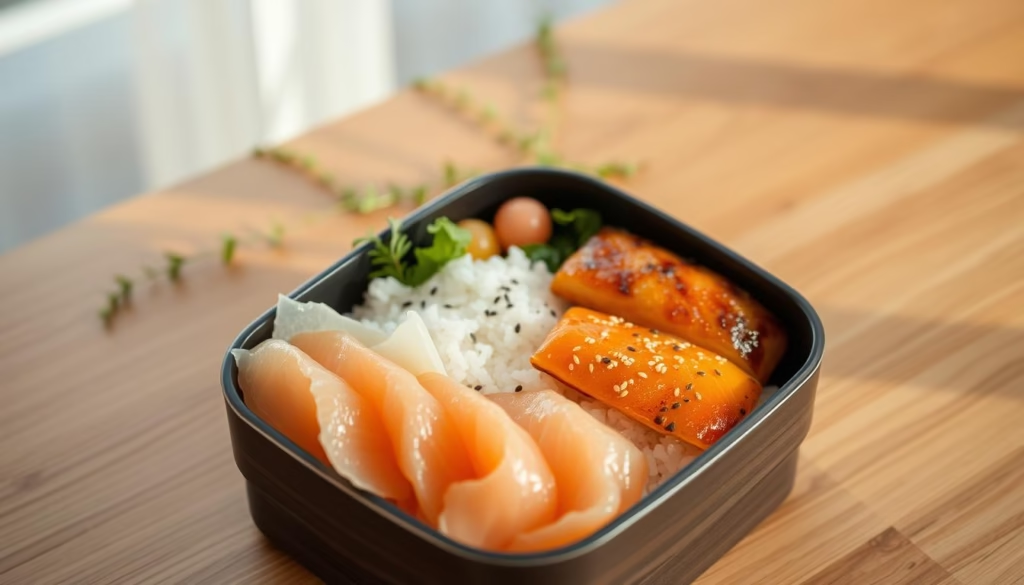
Planning ahead can make enjoying a Japanese Bento Box easy, even on busy days. The secret is in smart planning and quick tips.
Weekend Prep for Weekday Bento Success
Set aside time on the weekend to prep bento box parts. Cook proteins, roast veggies, and make rice balls. This way, you’re ahead of the game for the week.
| Component | Prep Method | Storage Tip |
|---|---|---|
| Rice | Cook and season | Refrigerate or freeze |
| Proteins | Grill or bake | Portion in containers |
| Vegetables | Roast or blanch | Store in airtight bags |
Freezer-Friendly Bento Components
Some bento parts freeze well, like cooked rice, dumplings, and veggies. Just label and date them for easy use in your bento boxes.
Freezer-friendly tips: Use airtight containers or bags to avoid freezer burn. Portion items into bento sizes for quick meals.
5-Minute Bento Box Ideas
For super busy mornings, quick bento ideas are a must. Try simple mixes like cooked rice, hard-boiled eggs, and pre-cut veggies.
“The simplest acts of kindness are by far more powerful than a thousand heads bowing in prayer.” – Mahatma Gandhi
With these quick tips, you can make healthy, tasty bento boxes every morning, no matter how busy.
Seasonal Japanese Bento Box Ideas Throughout the Year
As the seasons change, so do the ingredients and themes for your Japanese bento boxes. Using seasonal elements makes your meals interesting and connects you with nature’s cycle.
Spring Cherry Blossom Inspired Bento
Spring in Japan is a time of renewal, celebrated with blooming cherry blossoms. You can reflect this in your bento with pink foods like pickled cherry blossoms or salmon. Add green foods like asparagus or spinach to symbolize new growth.
Summer Cooling Bento Concepts
Summer bento should be refreshing. Use seasonal veggies like cucumbers and summer squash. Add cold tofu or chilled edamame for a cool touch. Light, cool colors in your bento arrangement also bring summer vibes.
Fall Harvest Bento Creations
Autumn in Japan is harvest time, celebrated with hearty foods. Your fall bento can feature roasted chestnuts, sweet potato, and mushrooms. Choose earthy tones and warm colors to reflect the harvest theme.
Winter Comfort Food Bento
Winter is for warm, comforting foods in your bento. Include braised dishes, grilled fish, or stews. Root veggies like carrots and turnips add color and warmth. Warm colors in your arrangement make your bento cozy.
Embracing the seasons in your bento creations brings variety and connects you with nature and Japanese culture. Try these seasonal bento ideas and share your creations with the todorecipes community and friends!
Special Occasion Bento: Celebrations and Holidays
Make your celebrations special with bento boxes that are both meaningful and tasty. Whether it’s for a loved one or a fun event, a custom bento box adds a personal touch.
Birthday Bento Box Ideas
Turn any meal into a birthday celebration with a special bento box. Add a small dessert, like a mini cake or mochi, for a treat. Include a cute note or a small toy for extra festivity.
For kids, use their favorite foods or fun shapes. For adults, include their favorite dishes or cuisines.
Holiday-Themed Bento Creations
Holidays are perfect for creative bento boxes. For Cherry Blossom season, use pink foods or decorations. For Halloween, make spooky shapes or use red and black foods.
Christmas or Thanksgiving bento boxes can also be themed. Use seasonal ingredients and colors for a timely and special bento.
| Holiday | Bento Theme Ideas | Food Suggestions |
|---|---|---|
| Christmas | Red and Green Colors | Turkey, Cranberry Sauce, Green Beans |
| Halloween | Spooky Shapes | Black Rice, Red Bell Pepper, Cheese |
| Valentine’s Day | Heart-Shaped Foods | Heart-Shaped Sandwiches, Strawberries |
Romantic Bento for Special Someone
A bento box is a lovely way to show love and care. Include foods they love or that have special meaning. Add a cute note or a small gift for extra specialness.
For romance, use heart-shaped foods like onigiri or sandwiches. Pair them with fresh fruit or a small dessert.
Leave your thoughts in the comments below. We value your feedback and tips on special occasion bento boxes!
Food Safety and Storage Guidelines
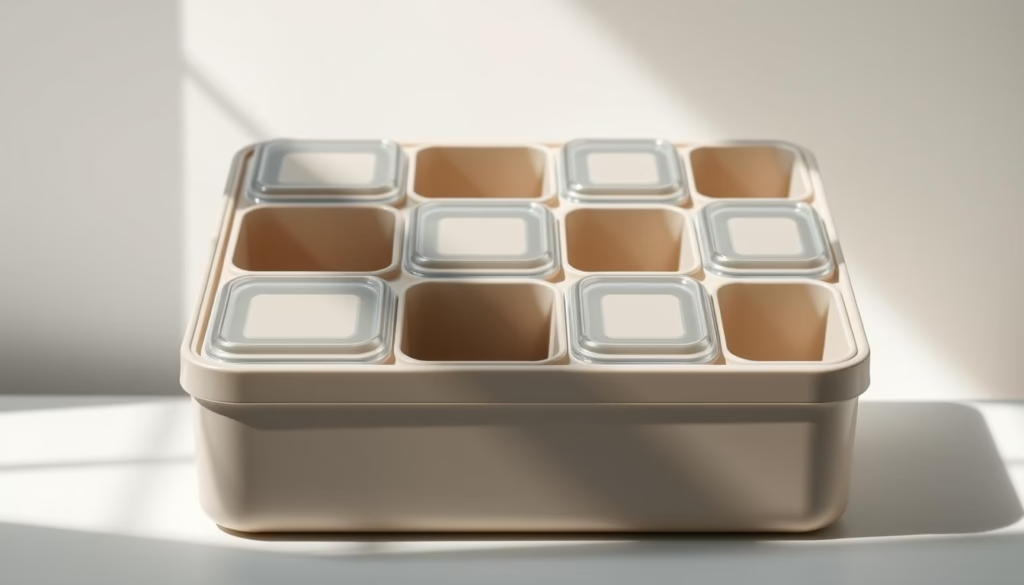
To enjoy your Japanese Bento Box safely, follow proper food safety guidelines. Preparing a bento box is more than picking ingredients. It’s about keeping food fresh and safe until lunchtime.
Keeping Your Bento Fresh Until Lunchtime
To keep your bento box fresh, use insulated lunch boxes or ice packs. This helps keep food at a safe temperature. Also, pack food in airtight containers to prevent contamination and spoilage.
- Use shallow containers to help keep food cool.
- Pack perishable items like meat, dairy, or eggs in insulated bags with ice packs.
- Keep your bento box away from direct sunlight.
Foods to Avoid in Room Temperature Storage
Some foods grow bacteria quickly at room temperature. Avoid storing perishable items like raw meat, dairy, and certain fish in your bento box without cooling.
- Raw or undercooked meat, poultry, and seafood.
- Dairy products and eggs.
- High-risk foods like mayonnaise-based salads.
Proper Cleaning of Bento Supplies
Regular cleaning of your bento supplies is key to prevent bacteria. Wash your bento boxes, utensils, and containers with soap and warm water. Dry them well.
By following these guidelines, your Japanese Bento Box will stay safe and healthy. Loved it? Let us know! Have a twist on the dish? Inspire others!
Adapting Bento for Different Dietary Needs
You can still enjoy bento-making even if you’re gluten-free, vegetarian, or have other dietary restrictions. Making bento for different needs makes mealtime more fun and inclusive. It also encourages you to get creative in the kitchen.
Gluten-Free Japanese Bento Options
Traditional Japanese ingredients like rice, fish, and veggies are naturally gluten-free. But, watch out for soy sauce and some seasonings that might have gluten. Using gluten-free soy sauce or tamari is a good idea.
Some great gluten-free bento ideas include grilled salmon with rice and steamed vegetables. Or, try tamagoyaki (Japanese rolled omelette) with gluten-free dashi.
Vegetarian and Vegan Bento Ideas
Vegetarian and vegan bento boxes can be just as tasty as traditional ones. Use colorful veggies, tofu, and plant-based proteins. For a vegan option, try inari sushi (sweetened tofu pouches filled with rice).
For a vegetarian choice, make a hijiki salad with veggies and tofu.
Kid-Friendly Bento Modifications
To make bento kid-friendly, use fun shapes and familiar foods. Use food cutters to make cute shapes from bread, cheese, or veggies. Add a variety of foods to encourage kids to try new things.
Include a small treat, like mochi or fruit, to make mealtime fun.
By adapting bento to different dietary needs, everyone can enjoy a tasty meal. We’d love for you to try these recipes and share your creations with us and your friends!
Budget-Friendly Bento: Affordable Lunch Ideas
You don’t have to spend a lot to enjoy a tasty Japanese bento box. With a few simple strategies, you can make delicious and affordable lunches. These are perfect for any day of the week.
Cost-Effective Ingredient Substitutions
One way to save money is by using cheaper ingredients. Instead of expensive proteins like salmon, try chicken or tofu. “Shopping smart is key to budget-friendly bento,” says a renowned food blogger.
Also, use seasonal vegetables. They are often cheaper and fresher.
Making the Most of Leftovers
Another way to save is by using leftovers. Turn last night’s dinner into your bento lunch. This reduces food waste and saves money.
Consider reheating leftovers or adding them cold to your bento box.
Where to Find Affordable Bento Supplies
Finding cheap bento supplies is easy. Look at dollar stores, online marketplaces, or during sales at kitchen stores. Also, check local Japanese markets for authentic and sometimes affordable items.
By following these tips, you can enjoy healthy and tasty meals without spending a lot. Share your favorite budget-friendly bento ideas in the comments below. We love your feedback and tips!
Conclusion: Embracing the Bento Lifestyle
Creating a Japanese bento box is more than just packing a meal. It’s an art form that combines nutrition, creativity, and mindfulness. By adding bento to your daily routine, you adopt a healthy eating habit. You also embrace a lifestyle that values simplicity and joy in everyday moments.
The bento lifestyle encourages you to try new recipes and experiment with ingredients. It also teaches you to present your meals in an appealing way. With the knowledge and skills from this guide, you’re ready to make delicious and healthy bento boxes. For more ideas and inspiration, check out todorecipes, where you’ll find new favorites and keep your cooking adventure alive.
By making bento a part of your daily life, you’ll enjoy the benefits of healthy lunches. You’ll see improved nutrition and reduced food waste. So, keep exploring the world of Japanese Bento Boxes. Enjoy the journey of creating beautiful, balanced meals that delight both the eyes and the taste buds.