
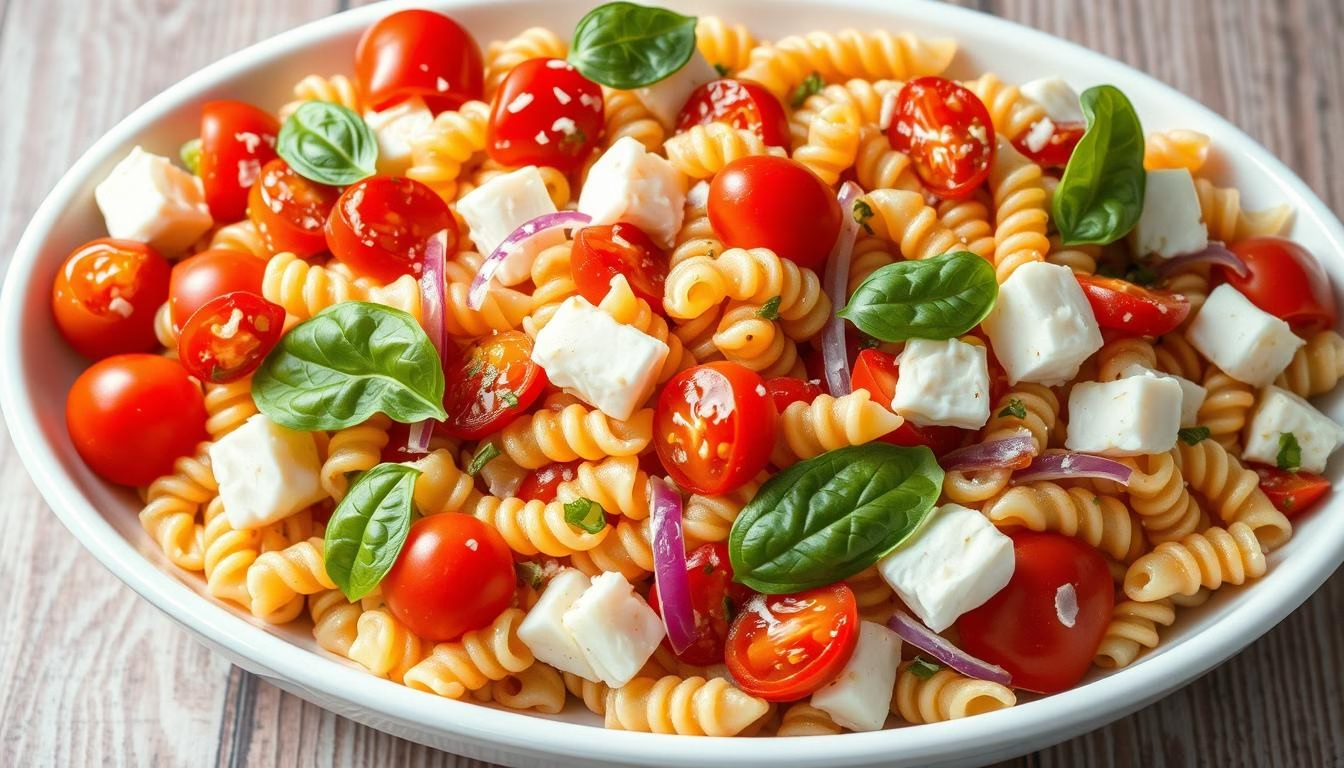
Imagine a warm summer day with friends and family, enjoying a delicious meal. You’re looking for something easy, flavorful, and perfect for the occasion. Our Italian Pasta Salad recipe is just what you need.
This beloved dish comes from Italy, where pasta is a staple. Our recipe mixes the best ingredients, like vegetables, herbs, and a tangy dressing. It’s not only tasty but also healthy, making it a great quick meal.
We’d love for you to try this recipe and share it with the todorecipes community and your friends! Don’t forget to leave your thoughts in the comments below—we value your feedback and tips.
Key Takeaways
- Easy to prepare and perfect for any occasion
- Combines fresh vegetables, herbs, and a tangy dressing
- Provides numerous health benefits from its ingredients
- Ideal for a quick and nutritious meal
- Great for sharing with friends and family
The Allure of Mediterranean Flavors
Exploring Italian cuisine reveals the charm of Mediterranean flavors. These flavors are key in dishes like traditional pasta salad. The Mediterranean diet focuses on fresh veggies, herbs, and top-notch olive oil. Together, they create the unique taste of Italian Pasta Salad.
What Makes Italian Pasta Salad a Crowd Favorite
Italian Pasta Salad is loved for its mix of simple pasta and rich Mediterranean flavors. It’s easy to customize with your favorite ingredients. This makes it a hit at gatherings.
Its popularity also comes from being easy to prepare ahead of time. Food lovers say it’s like a reliable friend. Italian Pasta Salad is always there for social events.
A Brief History of This Beloved Dish
Italian Pasta Salad comes from traditional Italian cuisine, where pasta is a long-time favorite. The modern version, however, started in the United States. It was made to fit local tastes.
| Key Ingredients | Traditional Use | Modern Adaptation |
|---|---|---|
| Pasta | Variety of shapes | Often bow-tie or penne |
| Vegetables | Seasonal produce | Commonly cherry tomatoes and bell peppers |
| Dressing | Olive oil and vinegar | Italian dressing with herbs |
We’d love for you to try this recipe and share your culinary creation with the todorecipes community and your friends!
Essential Ingredients for Classic Italian Pasta Salad
Making a true Italian pasta salad starts with picking the best ingredients. The quality and mix of these ingredients will shape the salad’s taste and feel.
Selecting the Perfect Pasta Shape
Picking the right pasta shape is key for a top-notch Italian pasta salad. The shape should match the other ingredients and dressing well.
Short vs. Long Pasta Options
Short pasta shapes like bowtie, penne, or rotini are perfect. They catch the dressing well and mix easily with veggies and other stuff. Long pasta shapes are okay but might need more effort to mix.
Texture Considerations for Cold Salads
The pasta should be firm, or “al dente,” to stay good in cold salads. If pasta is overcooked, it gets mushy when chilled.
Fresh Vegetables That Create Authentic Flavor
Fresh veggies are key for a real Italian pasta salad. Some top picks are:
- Cherry tomatoes for a burst of juicy sweetness
- Cucumbers for refreshing crunch
- Red onions for a flavor kick
- Bell peppers for color and sweetness
| Vegetable | Flavor Profile | Texture |
|---|---|---|
| Cherry Tomatoes | Sweet, Juicy | Tender |
| Cucumbers | Refreshing, Mild | Crunchy |
| Red Onions | Pungent, Sweet | Crisp |
Cheeses, Herbs, and Traditional Add-ins
To finish your Italian pasta salad, add Italian cheeses like mozzarella or parmesan. Also, toss in fresh herbs such as basil or oregano. Don’t forget salami or pepperoni for a meaty twist.
Creating the Perfect Homemade Italian Dressing
Making the perfect homemade Italian dressing is an art that takes your pasta salad to the next level. The right mix of flavors can turn a good salad into a great one. We’ll look at the key parts of homemade Italian dressing and share tips for a delicious, authentic taste.
Essential Oils and Vinegars for Authentic Taste
The base of a great Italian dressing is its oil and vinegar. Use extra virgin olive oil for its rich, fruity taste. It goes well with the tangy red wine vinegar or white wine vinegar. The quality of these ingredients greatly affects your dressing’s taste.
Herbs and Seasonings That Define Italian Flavor
Italian seasoning, a mix of herbs like basil, oregano, thyme, and rosemary, is key. Add minced garlic for depth and dried or fresh parsley for freshness. Season with salt and black pepper to boost the flavors.
Balancing Acidity and Flavor Like a Pro
Getting the acidity and flavor right is crucial for a great Italian dressing. Begin with a 3:1 oil to vinegar ratio and adjust to taste. You might need a pinch of sugar to balance the acidity or more herbs and seasonings for flavor. Keep tasting and adjusting until it’s just right.
Kitchen Tools and Equipment for Easy Preparation
Having the right kitchen tools makes making Italian Pasta Salad easier. With the right equipment, you can quickly prepare a delicious, authentic Italian dish.
Basic Essentials Every Kitchen Should Have
You’ll need some basic kitchen essentials to start. A large pot is key for cooking pasta. A colander is essential for draining it. A cutting board and a sharp knife are must-haves for chopping vegetables and herbs. You’ll also need a mixing bowl to mix your ingredients.
Here’s a summary of the basic essentials:
| Tool | Purpose |
|---|---|
| Large Pot | Cooking Pasta |
| Colander | Draining Pasta |
| Cutting Board | Chopping Vegetables and Herbs |
| Sharp Knife | Chopping Ingredients |
| Mixing Bowl | Combining Ingredients |
Optional Tools That Streamline the Process
Some optional tools can make preparing Italian Pasta Salad easier. A pasta salad spinner can help dry your pasta after cooking. A mandoline can assist in slicing vegetables thinly and evenly. A measuring cup and spoons can help you accurately measure your ingredients.
Using these tools can make your cooking experience more enjoyable and efficient.
Step-by-Step Pasta Salad Preparation Guide
Making Italian Pasta Salad at home is easier than you think. With a few simple steps, you can create a delicious and refreshing salad perfect for any occasion.
Properly Cooking Pasta for Cold Salads
Cooking pasta correctly is crucial for a great Italian Pasta Salad. You want your pasta to be al dente, which means it should still have a bit of bite or chew to it.
Al Dente Timing Tips
To achieve the perfect al dente texture, follow the package instructions for cooking time, but start checking the pasta a minute or two before the recommended time is up. You can test by biting into a piece; if it’s still hard in the center, it’s not done. If it’s mushy, it’s overcooked.
Cooling Techniques That Preserve Texture
Once cooked, drain the pasta and immediately rinse it under cold running water to stop the cooking process. You can also use an ice bath to cool it down quickly. This helps preserve the texture and prevents the pasta from becoming mushy when mixed with other ingredients.
Preparing Your Fresh Ingredients
While your pasta is cooking and cooling, you can prepare your fresh ingredients. This includes chopping vegetables like cherry tomatoes, cucumbers, and bell peppers, and grating or slicing cheese. Fresh herbs like basil and parsley add a lot of flavor, so be sure to chop them finely.
Mixing Techniques for Perfect Flavor Distribution
Once all your ingredients are ready, it’s time to mix them together. In a large bowl, combine the cooled pasta, chopped vegetables, cheese, and herbs. Then, pour your homemade Italian dressing over the top and toss everything together until the pasta is well coated. The key is to mix gently so you don’t break the pasta or bruise the vegetables.
To ensure perfect flavor distribution, you can let the salad sit for a few minutes after mixing. This allows the flavors to meld together. You can also give it a gentle toss just before serving to redistribute the dressing.
Mastering the Assembly of Your Italian Pasta Salad
Making the perfect Italian pasta salad is an art. It needs attention to detail and creativity. How you layer ingredients and add dressing affects the taste and texture.
Layering Ingredients for Maximum Flavor Impact
Layering ingredients is key for balanced flavors. Start with pasta, then add vegetables, proteins, and cheeses. Think about the texture and taste of each to get a good mix.
A layered salad tastes better and looks great. Mix colors and textures like cherry tomatoes, cucumber, and mozzarella for a nice look.
Dressing Application Strategies
The dressing is vital for combining flavors. There are ways to apply dressing for a tasty, well-coated salad.
Initial Coating Methods
Dress the salad right after you make it. This lets flavors mix as it chills. Gently toss to coat everything evenly.
Reserved Dressing Techniques
Or, save some dressing for later. This is good for salads made ahead or if you want a light coat. It lets you adjust the dressing to your liking.
| Dressing Technique | Best For | Benefits |
|---|---|---|
| Initial Coating | Salads served immediately | Flavors meld together |
| Reserved Dressing | Make-ahead salads or lighter coating | Adjustable dressing amount |
Mastering your Italian pasta salad’s assembly is key. It’s about layering and dressing wisely. This way, you make a dish that’s tasty and looks good too.
Chilling and Marinating: The Secret to Flavor Development
The secret to a great Italian Pasta Salad is chilling and marinating. These steps let the flavors blend together beautifully. Marinating is key because it helps the ingredients soak up the dressing’s flavors.
Optimal Marinating Times for Different Occasions
The right marinating time depends on the event and your taste. For a quick event, 30 minutes is enough. But for deeper flavors, marinate for a few hours or overnight. Here’s a quick guide:
| Occasion | Marinating Time |
|---|---|
| Quick Gathering | 30 minutes |
| Special Event | 2-4 hours |
| Overnight Preparation | 8-12 hours |
Temperature Considerations for Best Results
Temperature considerations are crucial for chilling and marinating. Keep your fridge between 38°F and 40°F (3°C and 4°C). This temperature slows down bacteria and enhances flavors. Dr. Elizabeth Andress, a food safety expert, says, “Refrigeration at 40°F (4°C) or below is key to stopping bacterial growth in perishable foods.”
“The art of cooking is not just about following a recipe; it’s about understanding the science behind the ingredients and techniques.” –
By mastering chilling and marinating and controlling the temperature, you can boost your Italian Pasta Salad’s flavor.
Creative Variations on the Traditional Recipe
The traditional Italian Pasta Salad recipe is a blank canvas for many creative variations. You can change it to fit different tastes, dietary needs, and regional flavors. This makes it a versatile dish for any event.
Regional Italian Adaptations Worth Trying
Italy has many regional cuisines, and you can adapt Italian Pasta Salad to reflect these. For example, a Tuscan version might include sun-dried tomatoes and fresh basil. A Sicilian version could have eggplant and ricotta salata cheese. These changes can bring new flavors to the classic dish.
Other regional twists include adding grilled Italian sausage for a hearty version or roasted vegetables for more flavor.
Modern Twists and Exciting Additions
To modernize Italian Pasta Salad, try new ingredients and flavors. Adding grilled chicken or shrimp makes it protein-rich. You can also add crunchy nuts or crispy prosciutto for texture.
Other fun additions are roasted garlic for deep flavor or fresh arugula for a peppery taste. These updates can make the dish more appealing to today’s tastes.
Dietary Adaptations (Vegetarian, Vegan, Gluten-Free)
Italian Pasta Salad can be adapted for different diets. For a vegetarian version, skip the meat and focus on veggies. For a vegan version, use vegan cheese and dressing.
To make it gluten-free, use gluten-free pasta and check the dressing and add-ins. These changes allow everyone to enjoy Italian Pasta Salad, no matter their diet.
Serving Suggestions and Elegant Presentation Ideas
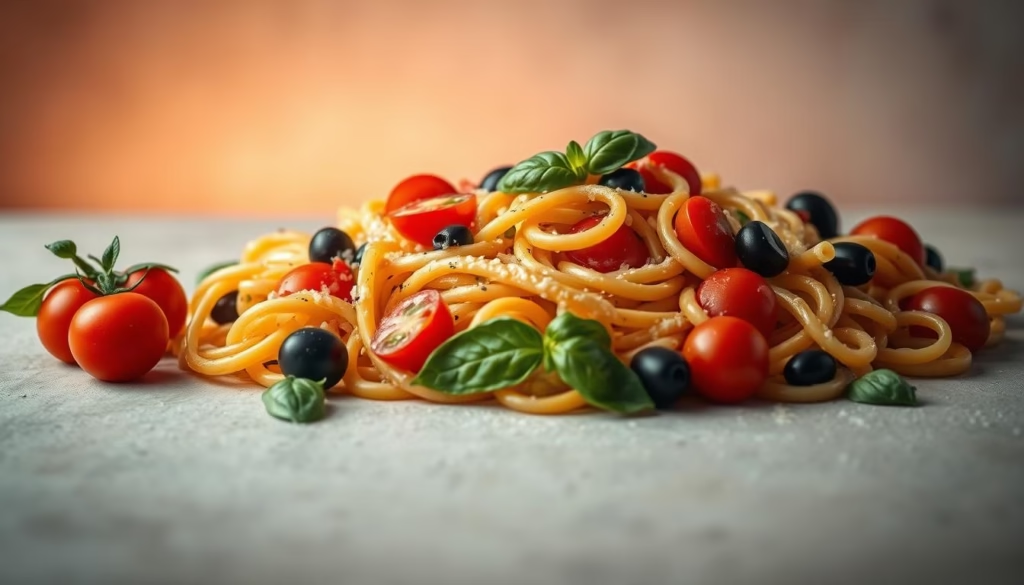
Impress your guests with these Italian Pasta Salad serving tips. The presentation of your dish can make the dining experience better. It becomes more enjoyable and memorable.
Family-Style Serving Options for Casual Gatherings
For casual gatherings, serve your Italian Pasta Salad family-style. Choose a large, decorative bowl that matches your salad’s colors. Add fresh herbs on top for color and freshness. Here are some ideas:
- Use a wooden serving spoon and fork for a rustic touch.
- Garnish with edible flowers or extra basil leaves.
- Serve with crusty bread or garlic breadsticks on the side.
Individual Portioning for Special Events
For special events or formal dinners, individual portions are elegant. Use small glasses or mason jars for layered salad effects. This looks good and helps with portion control. Consider the following:
- Layer pasta, vegetables, and dressing in each jar.
- Top with grated Parmesan cheese and a sprinkle of herbs.
- Serve chilled, straight from the refrigerator.
Garnishing Tips for Instagram-Worthy Presentations
Garnishing makes your Italian Pasta Salad look great, especially for social media. Some garnishing tips include:
- Add a sprinkle of paprika or red pepper flakes for color.
- Use fresh basil leaves or parsley for a fresh look.
- Drizzle a bit of extra virgin olive oil on top for sheen.
By using these serving and presentation ideas, you’ll delight your guests’ taste and eyes.
Perfect Pairings for Your Italian Pasta Salad
To make your Italian Pasta Salad even better, try pairing it with the right main courses and side dishes. The perfect pairings can turn a simple salad into a full meal.
Main Course Companions That Complement
For a main course, pick dishes that match the salad’s Mediterranean taste. Grilled chicken or fish, seasoned with herbs like basil and oregano, are great choices. You can also go for Italian classics like chicken or eggplant parmesan.
- Grilled chicken or fish
- Chicken or eggplant parmesan
- Italian sausage with peppers and onions
Side Dishes That Create a Complete Meal
To make a full meal, pair your salad with side dishes that add texture and variety. Try it with crusty Italian bread, garlic breadsticks, or a simple green salad. Roasted vegetables like zucchini or bell peppers also pair well.
| Side Dish | Description |
|---|---|
| Crusty Italian Bread | Perfect for dipping in olive oil or sauces |
| Garlic Breadsticks | Add a savory, aromatic flavor to your meal |
| Roasted Vegetables | Zucchini, bell peppers, or eggplant roasted to perfection |
By carefully choosing main courses and side dishes, you can make a delicious and satisfying meal. It will surely impress your family and friends.
Storage Tips and Make-Ahead Strategies for Busy Cooks
Keeping your Italian pasta salad fresh is crucial. The right storage methods ensure you can enjoy it for days.
Proper Refrigeration Techniques for Maximum Freshness
Store your salad in an airtight container in the fridge. Keep it at a temperature below 40°F (4°C). This stops bacteria and keeps it crisp.
How to Revive Day-Old Pasta Salad
For a dry or bland salad, add Italian dressing and toss. Fresh herbs or veggies can also refresh it.
| Revival Method | Effect |
|---|---|
| Add Italian dressing | Restores moisture and flavor |
| Add fresh herbs | Enhances freshness and aroma |
| Add vegetables | Increases texture and flavor variety |
Freezing Options and Limitations to Consider
Freezing pasta salad is possible but not always ideal. It can change the pasta and veggie texture. Freeze in an airtight container and eat within a month for the best taste.
Follow these tips to enjoy your Italian pasta salad at its peak, even on hectic days.
Troubleshooting Common Pasta Salad Problems
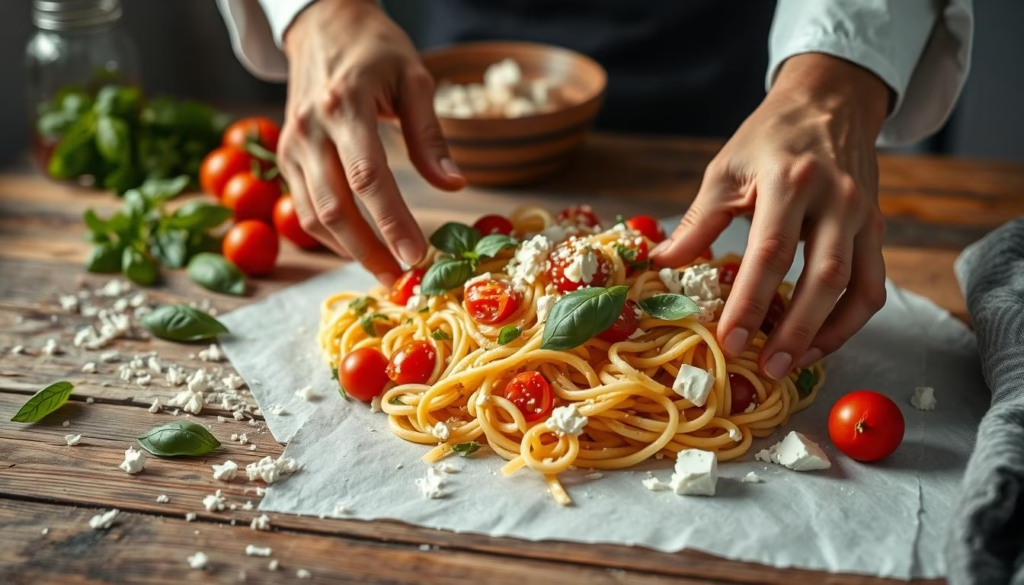
Pasta salad problems can be frustrating, but they’re often easy to fix. Whether you’re dealing with dry or soggy pasta, flavor imbalances, or overcooked ingredients, there are simple solutions to common issues.
Fixing Dry or Soggy Pasta Issues
If your pasta salad is too dry, it might be due to insufficient dressing or pasta that’s been cooked too long. To fix this, you can add more dressing or toss in some freshly cooked pasta. On the other hand, if your salad is soggy, it could be from too much dressing or undercooked pasta. Draining excess dressing or adding more ingredients can help balance it out.
Adjusting Flavors After Chilling
After chilling, your pasta salad might need a flavor boost. Taste it before serving and adjust the seasoning as needed. You can add a splash of vinegar, a sprinkle of herbs, or a bit more dressing to refresh the flavors. This step ensures your salad tastes its best when served.
Salvaging Overcooked or Undercooked Ingredients
Overcooked or undercooked ingredients can be a problem. For overcooked pasta, try adding it to a new batch of freshly cooked pasta to balance the texture. For undercooked vegetables, consider sautéing them lightly before adding them back to the salad. This can help achieve a more consistent texture throughout.
| Issue | Solution |
|---|---|
| Dry Pasta | Add more dressing or freshly cooked pasta |
| Soggy Pasta | Drain excess dressing or add more ingredients |
| Flavor Imbalance | Taste and adjust seasoning before serving |
| Overcooked/Undercooked Ingredients | Balance with freshly cooked ingredients or sauté undercooked parts |
Conclusion: Enjoying Your Homemade Italian Culinary Creation
Now that you’ve learned to make a tasty Italian Pasta Salad, it’s time to enjoy it. This dish is a delight for your taste buds. Sharing it with loved ones makes it even more special.
We encourage you to share your dish with the todorecipes community and friends. Leave your thoughts and tips in the comments. Your feedback is very important. If you’ve made the recipe your own, share your creativity with others. And while you’re here, check out more tasty ideas on todorecipes to keep your cooking fun.
As you enjoy your homemade Italian Pasta Salad, remember the joy of cooking. It’s not just about the recipe, but the memories you make. Happy cooking, and we can’t wait to hear about your cooking adventures!