
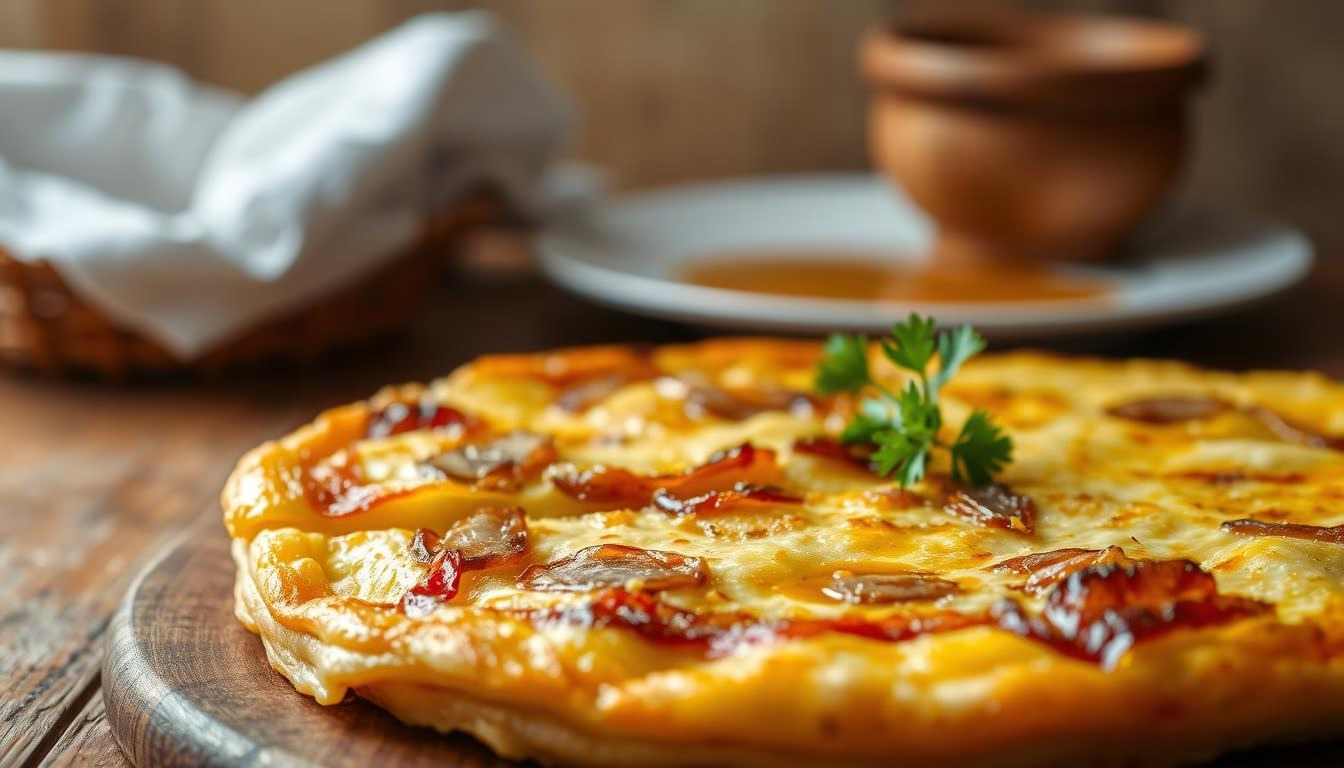
Welcome to the world of Spanish cuisine with our guide on Tortilla Española. This beloved dish is a staple in Spanish gastronomy. We’re excited to share its secrets with you.
On this culinary journey, you’ll learn the rich history of this iconic dish. You’ll also discover how to prepare it easily. Our step-by-step guide is perfect for both seasoned chefs and culinary novices.
We encourage you to try this authentic spanish recipe. Share your culinary creation with the todorecipes community and your friends! Don’t forget to leave your thoughts in the comments below. We value your feedback and tips.
Key Takeaways
- Learn the history and significance of Tortilla Española in Spanish cuisine.
- Discover the essential ingredients for an authentic Tortilla Española.
- Follow a step-by-step guide to making this classic dish.
- Gain valuable tips for enhancing your cooking experience.
- Explore variations and twists to inspire your culinary creativity.
The Heart of Spanish Cuisine: Understanding Tortilla Española
Tortilla Española is more than a dish; it’s a cultural icon. It has been a key part of Spanish cuisine for centuries. It brings comfort and nourishment to families and communities.
What Makes a True Tortilla Española?
A true Tortilla Española is simple yet rich in quality ingredients. It includes potatoes, onions, garlic, eggs, and olive oil. The slow cooking of potatoes and the gentle folding of eggs are key to its perfect texture and flavor.
This dish is versatile, enjoyed as tapas, a main course, or a snack. It’s a big part of Spanish life, from family meals to festive celebrations.
The Cultural Significance in Spanish Gastronomy
Tortilla Española is a symbol of Spanish culinary traditions and culture. It brings back memories of home and family for Spaniards. It’s a dish that fills them with nostalgia and pride.
| Cultural Aspect | Significance |
|---|---|
| Family Gatherings | Tortilla Española is often at the center of family meals and gatherings. |
| Festive Celebrations | It’s a common dish served during festivals and celebrations. |
| Culinary Tradition | Represents a traditional Spanish dish passed down through generations. |
Exploring Tortilla Española is exciting. Try making it and share it with the todorecipes community and friends. Leave your thoughts in the comments below. We love hearing from you! If you loved it, let us know. Have a unique twist? Share it with others! And while you’re here, check out more delicious recipes on todorecipes. Find new favorites and keep the cooking fun going!
The Spanish Potato Omelette (Tortilla Española): A National Treasure
The Spanish Potato Omelette, or Tortilla Española, is a key part of Spain’s food history. It’s made with potatoes, onions, and eggs. This dish shows the depth of Spanish cuisine.
Origins and Evolution Through the Centuries
Tortilla Española started in the 18th century with potatoes becoming common in Spanish food. It was first made by peasants with what they had. Over time, it changed with different regions and cooking styles.
- The introduction of potatoes from the New World
- The adaptation of the recipe by different Spanish regions
- The incorporation of onions as an optional ingredient
From Humble Beginnings to Iconic Status
What was once a simple peasant dish is now a iconic Spanish dish. It’s loved in Spain and around the world. Chefs everywhere add their own twist to this classic.
Try making this recipe and share it with friends! Leave your thoughts in the comments. We love hearing from you. If you loved it, let us know! Have a new version? Share it with others! And don’t forget to check out more recipes on todorecipes. Find new favorites and keep cooking!
Essential Ingredients for an Authentic Tortilla Española
Making a real Tortilla Española begins with knowing its key ingredients. The quality of these ingredients greatly affects the taste and texture of the dish.
Selecting the Right Potatoes
Picking the right potatoes is key. You need potatoes that stay firm when cooked but aren’t too waxy or too starchy. Waxy potatoes keep their shape but might lack creaminess. On the other hand, starchy potatoes get too soft.
Waxy vs. Starchy: Which Works Best
| Potato Type | Characteristics | Suitability for Tortilla |
|---|---|---|
| Waxy | Holds shape, less creamy | Moderate |
| Starchy | Soft, creamy when cooked | High |
| All-purpose | Balance between waxy and starchy | Very High |
Eggs: Quality Matters
The quality of eggs is very important for Tortilla Española. Fresh, high-quality eggs give better texture and taste. You’ll need about 4-6 eggs, depending on the potatoes and pan size.
Olive Oil: The Foundation of Flavor
Olive oil is more than just a cooking oil; it’s a flavor base. Use good quality olive oil to fry potatoes and onions. It adds a rich, fruity taste to your Tortilla Española.
Optional Ingredients: The Onion Debate
Adding onions is up to you. Some like sautéed onions for extra flavor, while others prefer no onions for a cleaner potato taste. Choose based on your preference.
Now you know the must-have ingredients. It’s time to cook. We encourage you to try this recipe and share it with the todorecipes community and friends! Remember to leave your thoughts in the comments below. We love hearing your feedback and tips.
Kitchen Tools You’ll Need
The right kitchen tools are key for making Tortilla Española. They help you do each step smoothly and accurately.
The Perfect Pan for Tortilla Española
Finding the right pan is vital for Tortilla Española. A good pan spreads heat evenly. This is crucial for cooking the potatoes and eggs right.
Non-stick vs. Traditional: Pros and Cons
You can choose between non-stick or traditional pans. Non-stick pans prevent sticking and make flipping easy. But, they’re not as long-lasting as traditional pans. Traditional pans, like cast iron or stainless steel, keep heat well but need more oil to avoid sticking.
| Pan Type | Pros | Cons |
|---|---|---|
| Non-stick | Easy to flip tortilla, less sticking | Less durable, may not be heat resistant |
| Traditional | Excellent heat retention, durable | May require more oil, sticking risk |
Other Essential Equipment
You’ll also need other tools for Tortilla Española. A big bowl for mixing, a cutting board for chopping, and a spatula for stirring and flipping.
With the right tools, you’re set to make a great Tortilla Española. Try this recipe and share it with us and your friends! Leave your thoughts in the comments below. We love hearing from you.
Preparation Before Cooking
Getting a delicious Tortilla Española starts with good preparation. Before cooking, make sure you have all your ingredients ready. This makes the cooking process smooth and easy.
Slicing Potatoes: Thickness and Technique
Slicing potatoes is key for a great Tortilla Española. The slice thickness greatly affects the dish’s texture. Aim for slices that are about 1/4 inch thick for the best balance.
Hand-cutting vs. Mandoline: Finding Your Method
There are two ways to slice potatoes: by hand or with a mandoline. A mandoline gives uniform slices, perfect for a professional look. But, hand-cutting adds a rustic, homemade touch. Pick what works best for you.
Preparing Other Ingredients
While potatoes are the main ingredient, onions and eggs need prep too. Make sure to finely chop your onions and beat your eggs thoroughly. This ensures your Tortilla cooks evenly and tastes great.
With your ingredients ready, you’re set to start cooking. Try this recipe and share your dish with the todorecipes community and friends! Leave your thoughts in the comments below. We love hearing your feedback and tips.
Step-by-Step Cooking Process
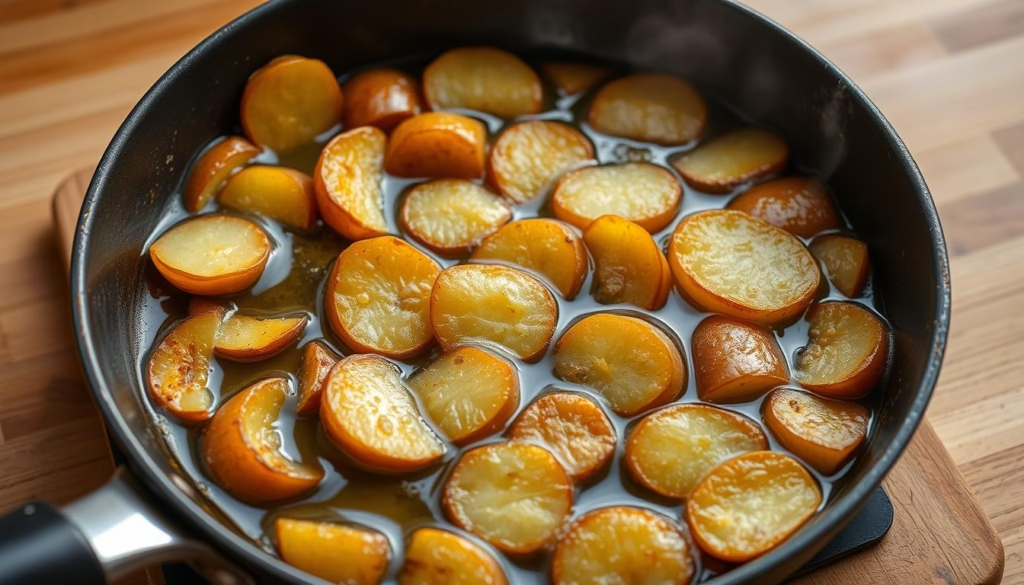
Now that we have all our ingredients ready, it’s time to make Tortilla Española. The cooking process has several key steps. These steps need attention and practice to get right.
Frying the Potatoes and Onions
Frying the potatoes and onions is the first step. It’s important for the dish’s taste and texture. Heat a lot of olive oil in a big frying pan over medium heat. Make sure the oil covers the potatoes and onions fully.
Oil Temperature: Getting It Just Right
The best temperature for frying potatoes is between 275°F and 325°F (135°C to 165°C). If the oil is too hot, the outside will burn before the potatoes are done. If it’s too cold, the potatoes will soak up too much oil, making them greasy.
Safety Tips When Working with Hot Oil
Use a deep pan to avoid oil splatters. Never leave hot oil alone. Keep a lid or splatter guard ready to cover the pan if needed. Be careful when adding potatoes to the hot oil to avoid splatters.
Mixing with Eggs: The Critical Moment
After cooking and draining the potatoes and onions, mix them with beaten eggs. Beat the eggs lightly with a fork. Overbeating can make the tortilla dense. Gently mix the potatoes and onions into the eggs, making sure they’re spread out evenly.
“The key to a tender Tortilla Española is gently mixing the ingredients and cooking it at the right temperature.”
Initial Cooking: Creating the Base
Pour the egg and potato mixture into a greased pan, usually the same one used for frying the potatoes, over medium heat. Let it cook until the edges start to set. This step is key for a firm base.
The Famous Flip: Mastering the Technique
Flipping the tortilla is an art that takes practice. Use a plate to help flip the tortilla. Once it’s partially cooked, slide it onto a plate, then flip it back into the pan to cook the other side.
Alternative Methods for Beginners
For beginners, using a non-stick pan or a tortilla flipper can be easier. These tools help prevent the tortilla from breaking during the flip, keeping it smooth and round.
We’d love for you to try this recipe and share your creation with us and your friends! Don’t forget to leave your thoughts in the comments. We value your feedback and tips. Loved it? Let us know! Have a twist on the dish? Inspire others! And while you’re here, why not explore more delicious ideas on todorecipes? Discover new favorites and keep the cooking adventure alive!
Perfecting Your Technique: Tips from Spanish Chefs
To make your Tortilla Española better, listen to what Spanish chefs say. They know a lot about this classic dish. They share tips that can help you improve.
Finding the Ideal Cooking Temperature
Getting the cooking temperature right is key. Spanish chefs say to use medium-low heat. This keeps the eggs from scrambling and makes the tortilla tender.
Achieving the Perfect Texture
Everyone likes their Tortilla Española a bit differently. Some like it soft in the middle, others like it firm all over.
Runny vs. Firm: Finding Your Preference
For a soft center, cook it a bit less and flip it when it’s still wet. For a firmer tortilla, cook and flip more until it’s set. Try both ways to see what you like best.
| Texture Preference | Cooking Time | Flipping Frequency |
|---|---|---|
| Runny Center | Shorter | Once or Twice |
| Firm Throughout | Longer | Multiple Times |
Troubleshooting Common Issues
Even the best cooks face problems sometimes. If your tortilla is too thick, you might have mixed the eggs too much. If it falls apart, check your heat and potato doneness.
We’d love for you to try this recipe and share it with us and your friends! Leave your thoughts in the comments. We love hearing from you. Did you love it? Let us know! Have a new twist? Share it with others! And while you’re here, check out more recipes on todorecipes. Find new favorites and keep cooking!
Regional Variations Across Spain
Tortilla Española shows its versatility in Spain’s different regions. Each area has its own twist, thanks to local ingredients and traditions. This makes the dish unique in every corner of the country.
Madrid-Style vs. Catalonian Tortilla
In Madrid, the Tortilla Española is thick with potatoes and sometimes onions. It’s a filling dish. Catalonia, on the other hand, adds artichokes or red peppers. This gives it a special taste.
Andalusian and Basque Country Interpretations
Andalusia adds zucchini or uses local olive oil. This makes the flavor richer. The Basque Country, known for creativity, might include chorizo or special potatoes. It offers a unique taste.
| Region | Typical Ingredients | Characteristics |
|---|---|---|
| Madrid | Potatoes, onions | Hearty, traditional |
| Catalonia | Artichokes, red peppers | Innovative, flavorful |
| Andalusia | Zucchini, local olive oil | Fresh, rich flavor |
| Basque Country | Chorizo, special potatoes | Innovative, spicy |
Trying these regional versions can deepen your love for Tortilla Española. We encourage you to make this recipe and share it with us and your friends! Please leave your thoughts in the comments. We love hearing from you.
Modern Twists on the Classic Recipe
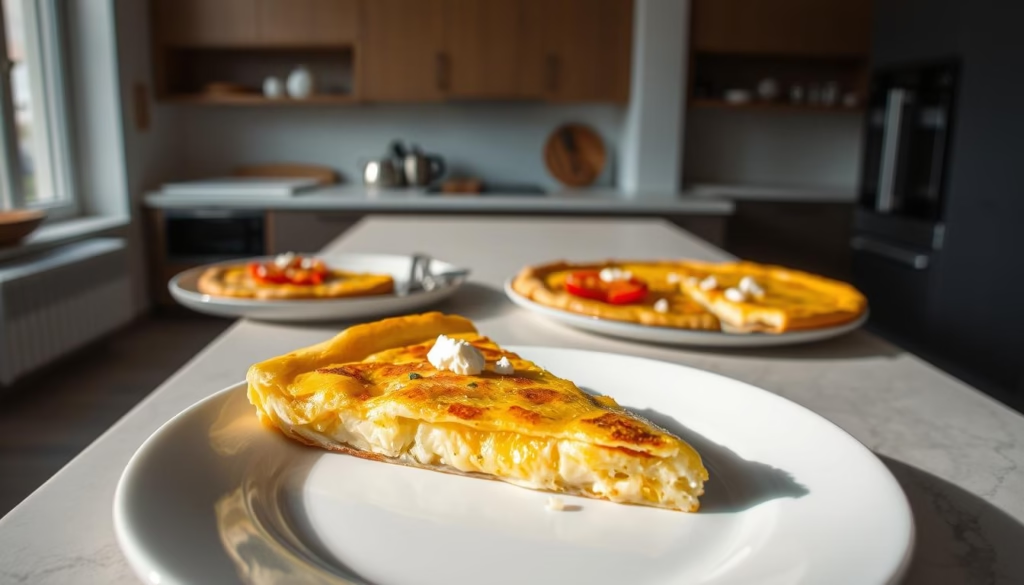
The classic Tortilla Española recipe is a canvas waiting for your creative touch. While traditional Tortilla Española is a delight, there’s also room for innovation. You can experiment with various ingredients and techniques to create your own unique version.
Adding Vegetables and Herbs
Enhance your Tortilla Española by incorporating a variety of vegetables and herbs. Consider adding roasted red peppers for a sweet and smoky flavor, or fresh spinach for a burst of nutrients. Chopped fresh herbs like parsley or chives can add a fresh, oniony flavor. You can also include sautéed mushrooms, diced zucchini, or caramelized onions to add depth and complexity to your Tortilla.
Cheese and Meat Additions
For an extra rich flavor, you can add cheese or meat to your Tortilla Española. Crumbly Manchego or goat cheese can add a tangy, creamy element. Diced ham, chorizo, or cooked bacon can introduce a savory, meaty flavor. These additions can elevate your Tortilla to a satisfying main course or make it more interesting as a tapas dish.
Creative Serving Ideas
Think beyond the traditional wedge when serving your Tortilla Española. You can slice it into small cubes for a tapas-style snack, or serve it as a sandwich filling between crusty bread rolls. Tortilla Española can also be a great addition to a brunch menu, served alongside grilled meats or vegetables. Get creative with your presentation to make your dish stand out.
We’d love for you to try this recipe and share your culinary creation with the todorecipes community and your friends! Don’t forget to leave your thoughts in the comments below—we value your feedback and tips. Loved it? Let us know! Have a twist on the dish? Inspire others! And while you’re here, why not explore more delicious ideas on todorecipes? Discover new favorites and keep the cooking adventure alive!
Serving Suggestions: From Tapas to Main Course
Tortilla Española is great for many occasions, from casual tapas to a hearty main course. Its deep flavor and creamy texture are loved by locals and visitors in Spain.
Traditional Spanish Accompaniments
For tapas, pair Tortilla Española with classic Spanish sides. Croquetas, patatas bravas, and olives enhance its taste. For a bigger snack, add crusty bread and a simple salad.
| Tapas Item | Description |
|---|---|
| Croquetas | Deep-fried balls filled with ham, fish, or chicken |
| Patatas Bravas | Spicy fried potatoes in a tomato sauce |
| Olives | A selection of marinated olives |
Creating a Complete Spanish Meal
To make a full Spanish meal, start with Gazpacho or a green salad. Then, serve Tortilla Española as the main dish. End with Crema Catalana or fresh fruit for dessert.
Adding Tortilla Española to your meal is like sharing Spanish culture. We encourage you to try this recipe and share it with friends! Leave your thoughts in the comments below. We love hearing from you.
Pairing Your Tortilla Española with Drinks
Finding the right drink can make your Tortilla Española even better. It’s perfect whether you’re having it as tapas or the main dish.
Wine Pairings: Red, White, and Sparkling Options
Tortilla Española goes well with many wines. A dry white wine like Albariño or Verdejo is great. For red wine fans, a light Rioja or Tempranillo is a good choice. And if you want to celebrate, a sparkling Cava is perfect.
Non-Alcoholic Spanish Beverages
Spain has many tasty drinks without alcohol. Tinto de Verano, a mix of red wine and lemon soda, is a favorite. Or try Horchata, a sweet drink from tiger nuts, or Fresh Lemonade with mint to refresh your taste.
Try this Tortilla Española recipe and share it with us and your friends! Leave your thoughts in the comments. We love hearing from you. If you loved it, let us know! Have a new twist? Share it with others! And while you’re here, check out more recipes on todorecipes. Find new favorites and keep cooking!
Storing and Reheating Your Tortilla
Keeping your Tortilla Española fresh after cooking is key. Use the right storage and reheating methods. This way, you can enjoy it for a day or two.
Keeping It Fresh: Storage Tips
Store your Tortilla Española in an airtight container in the fridge. You can also wrap it in plastic wrap or aluminum foil. This keeps it moist and flavorful.
Storage Tips:
| Storage Method | Duration |
|---|---|
| Airtight Container | Up to 3 days |
| Plastic Wrap/Aluminum Foil | Up to 2 days |
Reheating Methods That Preserve Texture
There are a few ways to reheat your Tortilla Española. You can warm it in a skillet over low heat, covered. Or, use the oven at 300°F (150°C) for 10-15 minutes.
Reheating Tips:
- Skillet: Low heat, covered, until warmed through.
- Oven: 300°F (150°C) for 10-15 minutes.
We’d love for you to try this recipe and share it with us and your friends! Leave your thoughts in the comments. We value your feedback and tips. Loved it? Let us know! Have a twist on the dish? Inspire others! And while you’re here, why not explore more delicious ideas on todorecipes? Discover new favorites and keep the cooking adventure alive!
Nutritional Information and Dietary Adaptations
Learning about the nutritional value of Tortilla Española can make you appreciate it more. It’s made with potatoes, eggs, and olive oil. This mix gives you carbs, proteins, and healthy fats.
Caloric Content and Nutritional Benefits
A serving of Tortilla Española has about 250-300 calories. This depends on its size and ingredients. The potatoes are full of fiber and potassium. Eggs offer high-quality protein. Olive oil adds healthy fats good for your heart.
Here are some key benefits:
- High in Protein: Eggs are great for muscle repair and growth.
- Rich in Fiber: Potatoes help with digestion and feeling full.
- Heart-Healthy Fats: Olive oil’s monounsaturated fats can lower bad cholesterol.
Making It Healthier: Possible Modifications
To make Tortilla Española healthier, try these changes:
- Reduce Oil Usage: Use a non-stick pan to use less olive oil.
- Add More Vegetables: Add spinach or bell peppers to boost nutrients.
- Use Egg Whites: Use egg whites instead of whole eggs to cut cholesterol.
These tweaks make Tortilla Española a nutritious part of your diet. Try this recipe and share it with the todorecipes community and friends! Leave your thoughts in the comments below. We love your feedback and tips.
Conclusion: Mastering the Art of Tortilla Española
You’ve now reached the final step in your culinary journey to mastering Tortilla Española. With the knowledge gained from this comprehensive guide, you’re equipped to create this classic Spanish dish with confidence.
As you experiment with different ingredients and techniques, remember that the true essence of Tortilla Española lies in its simplicity and rich cultural heritage. Don’t be afraid to put your own twist on the recipe and share your creations with others.
We encourage you to join the todorecipes community by sharing your culinary adventures and tips. Explore more delicious ideas and keep the cooking adventure alive by discovering new favorites on todorecipes.
By mastering Tortilla Española, you’re not just cooking a meal – you’re experiencing a piece of Spanish culture. As you continue to hone your skills, you’ll find that this dish becomes a staple in your culinary repertoire, perfect for any occasion.