
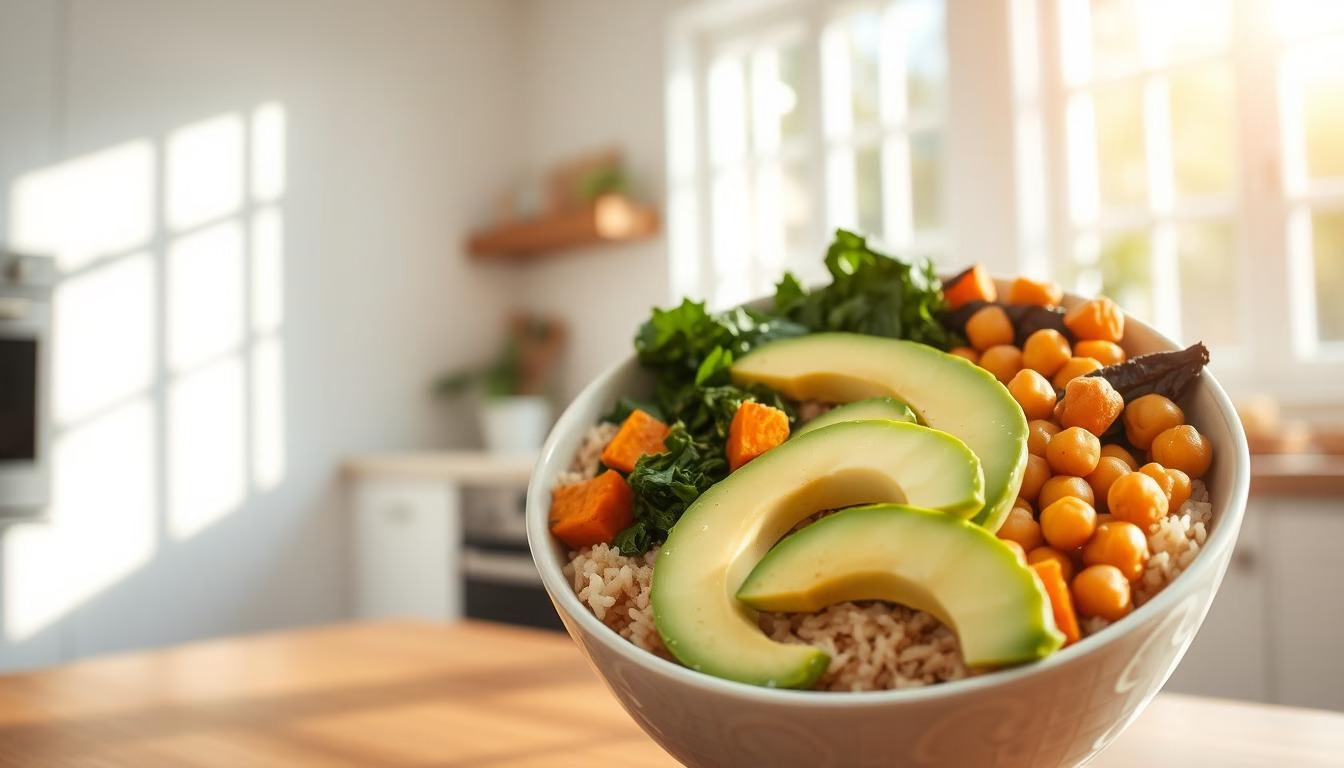
Looking for a quick, nutritious, and tasty meal for meal prep? Our easy vegan Buddha bowl recipe is ready in just 20 minutes. It’s filled with healthy, plant-based ingredients.
This recipe is meal prep friendly. It lets you make a healthy meal ahead of time. Enjoy it all week. It’s great for those who want to eat more plant-based meals.
We’d love for you to try this recipe. Share your dish with the todorecipes community and friends! Leave your thoughts in the comments below. We value your feedback and tips.
Key Takeaways
- Quick and easy meal prep with a 20-minute vegan Buddha bowl
- Packed with nutritious, plant-based ingredients
- Perfect for healthy eating and meal prep
- Easy to customize with your favorite ingredients
- Great for sharing with friends and family
What Is a Vegan Buddha Bowl?
Vegan Buddha bowls are more than food; they’re a way to nourish your body. They are bowls filled with grains, roasted veggies, and plant-based proteins. This mix makes for a nutritious and filling meal.
The Origin and Philosophy Behind Buddha Bowls
Buddha bowls started as a way to make meals nourishing and pretty. They follow the idea of balance and harmony, like Buddhism. The name “Buddha” means enlightenment and balance, showing the bowls’ balanced nature.
“The food you eat can either be the safest and most powerful form of medicine or the slowest form of poison.” – Ann Wigmore
This quote matches the Buddha bowl philosophy. It highlights the importance of picking the right foods for our health.
Why They’re Called “Buddha” Bowls
The name “Buddha bowl” comes from their look, like a Buddha’s belly, symbolizing abundance. It also shows the balanced and harmonious nature of the meal, like Buddhist principles.
| Component | Description | Example |
|---|---|---|
| Grains | Whole grains providing fiber and energy | Quinoa, Brown Rice |
| Vegetables | Roasted or steamed vegetables for vitamins and minerals | Broccoli, Sweet Potatoes |
| Plant-Based Proteins | Proteins from plant sources for muscle repair | Tofu, Chickpeas |
Knowing what makes vegan Buddha bowls special helps you make healthy meals. Try this recipe and share your dish with the todorecipes community and friends!
Benefits of Adding Vegan Buddha Bowls to Your Meal Rotation
Discover the power of vegan Buddha bowls and how they can transform your eating habits. By incorporating these nutrient-rich dishes into your meal rotation, you can experience a significant boost in your overall health and culinary adventures.
Nutritional Advantages
Vegan Buddha bowls are packed with a variety of nutrient-dense ingredients, making them an excellent choice for those seeking to improve their diet. Some of the key nutritional advantages include:
- A high intake of fiber from vegetables, fruits, and whole grains
- An abundance of vitamins and minerals from a diverse range of plant-based ingredients
- A boost in protein from sources like legumes, nuts, and seeds
- Healthy fats from avocados, nuts, and seeds to support heart health
By combining these elements, vegan Buddha bowls provide a balanced and satisfying meal that supports overall well-being.
Time-Saving and Convenience Benefits
One of the most significant advantages of vegan Buddha bowls is their convenience. They are ideal for meal prep, as they can be prepared in advance and refrigerated or frozen for later use. Here are some time-saving tips:
- Prepare your grains and proteins in bulk to save time during the week
- Roast a large batch of vegetables on the weekend to use throughout the week
- Assemble your bowls just before eating to keep ingredients fresh
By incorporating vegan Buddha bowls into your meal routine, you can enjoy healthy, delicious meals without spending hours in the kitchen. This convenience makes it easier to stick to your healthy eating goals, even on the busiest days.
Essential Ingredients for the Perfect Vegan Buddha Bowl
To make a tasty and healthy vegan Buddha bowl, you need some key ingredients. Buddha bowls are great because you can change them up to fit your taste and diet.
Base Components: Grains and Greens
The base of a good Buddha bowl is grains and greens. They give you energy and lots of nutrients.
Best Grain Options
For your bowl, try using quinoa, brown rice, and whole wheat. These grains are full of fiber, protein, and minerals. They make a great base for your bowl.
Leafy Green Varieties
Leafy greens like kale, spinach, and collard greens are full of vitamins and antioxidants. They add color and nutrition to your bowl. You can use them as a base or mix them in for extra flavor.
Plant-Based Proteins
Plant-based proteins are key for a filling Buddha bowl. Chickpeas, lentils, and tofu are great sources of protein. You can cook them in many ways to match your taste.
Colorful Vegetables and Fruits
Adding colorful veggies and fruits makes your bowl look good and gives you lots of nutrients. Try adding roasted sweet potatoes, grilled bell peppers, or fresh berries to your bowl.
Here are some colorful ideas:
- Roasted veggies like carrots and Brussels sprouts
- Sliced avocado for creaminess
- Fresh herbs like parsley or cilantro
- Seasonal fruits for natural sweetness
By mixing these ingredients, you can make a vegan Buddha bowl that’s tasty, healthy, and filling. Don’t be afraid to try new things and find your favorite!
Loved it? Let us know! Have a twist on the dish? Inspire others by sharing your creation!
Kitchen Tools You’ll Need
Having the right kitchen tools is key for making tasty vegan Buddha bowls. You’ll need some basic equipment to prepare and cook your ingredients well.
Basic Equipment
Every kitchen needs a few essential tools. For vegan Buddha bowls, you’ll need:
- A large cutting board for chopping vegetables and fruits.
- A sharp chef’s knife for precise cutting.
- A medium saucepan for cooking grains and legumes.
- A colander for draining pasta, rice, and vegetables.
- Mixing bowls for combining ingredients and making dressings.
Optional Tools to Make Prep Easier
While basic equipment is enough to start, some optional tools can make prep easier. Consider getting:
- A rice cooker for perfectly cooked grains every time.
- A food processor for quickly chopping or blending ingredients.
- Storage containers for meal prep and keeping ingredients fresh.
- A spiralizer for creating zucchini noodles or other vegetable spirals.
With these tools, you’ll be ready to make delicious vegan Buddha bowls. Happy cooking!
Preparing Your 20-Minute Vegan Buddha Bowl
Creating a quick vegan Buddha bowl is all about meal prep and smart cooking. Focus on getting ready and using the best methods. This way, you can make a healthy and tasty meal fast.
Ingredient Prep and Organization
Start by getting your ingredients ready and organized. This makes assembling your bowl quick and easy. First, wash and chop veggies like broccoli, carrots, and bell peppers. For greens like kale or spinach, just rinse and dry them.
Tips for Efficient Ingredient Prep:
- Chop veggies ahead of time and keep them in airtight containers.
- Use a salad spinner to dry greens.
- Pre-cook grains and proteins to save time.
Cooking Grains Efficiently
Cooking grains is key for your vegan Buddha bowl. Grains like quinoa, brown rice, and barley are filling and nutritious. Use a rice cooker or a pot with a lid for efficient cooking. For quinoa, use a 2:1 water-to-grain ratio and cook for about 15 minutes.
| Grains | Water-to-Grain Ratio | Cooking Time |
|---|---|---|
| Quinoa | 2:1 | 15 minutes |
| Brown Rice | 2.5:1 | 40 minutes |
| Barley | 3:1 | 45 minutes |
Quick-Cooking Protein Options
Plant-based proteins are crucial for a vegan Buddha bowl. Tofu, tempeh, and chickpeas cook fast to add protein. For tofu, pan-fry with seasonings for 5-7 minutes. Tempeh can be steamed for 10 minutes or pan-fried for a crispy texture.
Quick Protein Cooking Methods:
- Pan-fry tofu with soy sauce and garlic.
- Steam tempeh for a softer texture.
- Roast chickpeas with olive oil and spices.
By following these steps and tips, you can make a delicious vegan Buddha bowl in 20 minutes. Share your thoughts in the comments below.
Step-by-Step Assembly Guide
Creating a vegan Buddha bowl is easy and fun. You just need to pick the right ingredients, layer them well, and add some final touches.
Layering Your Bowl for Maximum Appeal
The look of your vegan Buddha bowl matters a lot. Start with a base of grains or greens. Then add your protein source. Finally, top it with colorful veggies and fruits.
This way, your bowl looks great and is full of nutrients. Each bite is a balanced mix of flavors and health.
Portion Control Tips
It’s important to control how much you eat. For a vegan Buddha bowl, aim for a mix of grains, proteins, and veggies. Allocate half your bowl to veggies, a quarter to grains, and a quarter to proteins.
Adjust these amounts based on your calorie needs and what you like to eat.
| Component | Recommended Portion |
|---|---|
| Grains | 1/4 bowl |
| Vegetables | 1/2 bowl |
| Proteins | 1/4 bowl |
Final Touches and Garnishes
The last touches can make your vegan Buddha bowl stand out. Try adding a favorite sauce or dressing. Sprinkle nuts or seeds for crunch. Or garnish with fresh herbs.
These add flavor, texture, and make your bowl look amazing.
By following these steps, you can make a vegan Buddha bowl that’s both healthy and beautiful. Don’t be afraid to try new ingredients and garnishes to make it your own.
Delicious Sauce and Dressing Options
Discover the secret to making your vegan Buddha bowls unforgettable. The right sauce or dressing can turn your meal into something special. It adds flavor and excitement to your vegan Buddha bowl experience.
Quick Homemade Dressings
Making your own dressings is easy and lets you control the ingredients. You can tailor the flavors to your liking. Here are some of our favorite quick and easy homemade dressing recipes:
Creamy Tahini Sauce
Blend tahini, lemon juice, garlic, and olive oil for a creamy sauce. It’s perfect for bowls with roasted vegetables or grains.
Zesty Lemon Vinaigrette
Mix lemon juice, apple cider vinegar, Dijon mustard, and a bit of maple syrup for a tangy dressing. It’s great for bowls with mixed greens or roasted sweet potatoes.
Spicy Peanut Sauce
Combine peanut butter, soy sauce, rice vinegar, and sriracha for a spicy sauce. It’s perfect for bowls with quinoa, roasted vegetables, or tofu.
Store-Bought Alternatives
If you’re short on time, there are many vegan sauces and dressings available. Look for products with simple, natural ingredients. Be careful of added sugars or preservatives. Some popular brands offer a variety of flavors that can enhance your vegan Buddha bowls.
Pairing Sauces with Ingredients
The key to a harmonious vegan Buddha bowl is pairing the right sauce with your ingredients. Think about the flavors and textures in your bowl. Choose a sauce that complements them. For example, a creamy sauce goes well with crunchy vegetables. A tangy vinaigrette can cut through rich grains or proteins.
Meal Prep Strategies for Vegan Buddha Bowls
Planning ahead lets you enjoy vegan Buddha bowls all week without daily prep. Meal prep saves time and ensures a healthy meal is always ready. Here are some easy ways to prep your meals.
Weekend Prep for Weekday Ease
Set aside a few hours on the weekend for meal prep. Start by cooking grains like quinoa or brown rice. Then, prepare various vegetables for different bowls. Don’t forget to prep proteins like tofu or tempeh in advance.
- Roast a large batch of vegetables like sweet potatoes, broccoli, and Brussels sprouts.
- Cook a big pot of grains and legumes.
- Prepare your favorite protein sources.
Storage Solutions and Containers
Good storage containers are key for meal prep. Look for airtight, microwave-safe, and stackable containers. Glass containers are best because they’re non-toxic and safe for hot and cold foods.
- Mason jars for storing grains, legumes, and vegetables.
- Airtight containers for keeping cooked proteins fresh.
- Stackable containers for assembling and storing complete Buddha bowls.
Keeping Ingredients Fresh
To keep ingredients fresh, follow these tips:
- Store grains and legumes in a cool, dry place.
- Keep cooked proteins and vegetables in the refrigerator at a temperature below 40°F (4°C).
- Use airtight containers to prevent moisture and other flavors from affecting your ingredients.
With these meal prep tips, you can enjoy a variety of vegan Buddha bowls all week. It keeps your cooking fun and exciting!
5 Creative Vegan Buddha Bowl Variations to Try
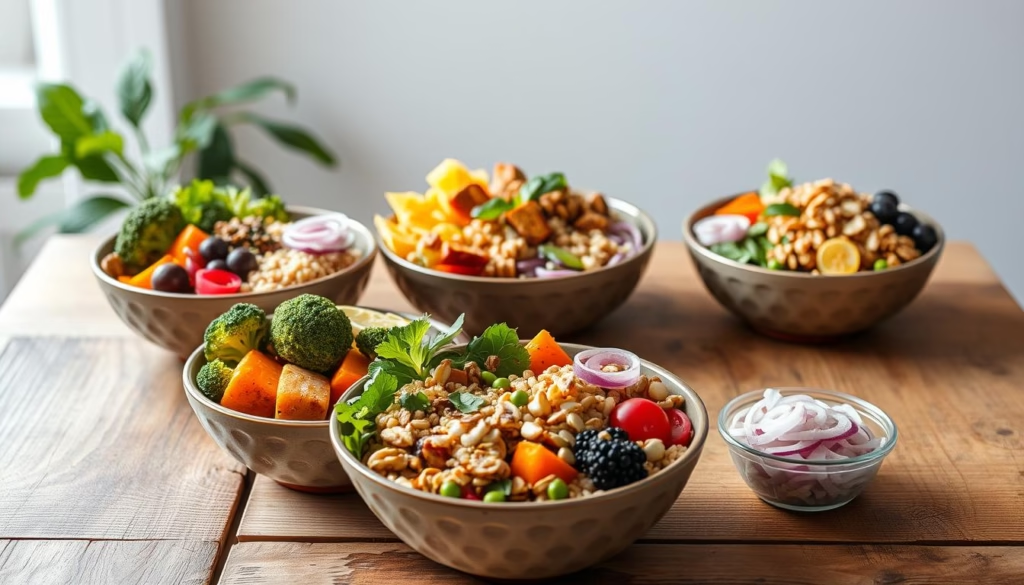
Transform your vegan Buddha bowl into a culinary adventure with simple tweaks. Buddha bowls are versatile, allowing you to try new flavors and ingredients. Each meal becomes a new discovery.
Mediterranean-Inspired Bowl
Take a trip to the Mediterranean with a bowl. Start with quinoa as the base. Top it with roasted eggplant, artichoke hearts, and a sprinkle of sumac.
Add creamy tzatziki sauce made with vegan yogurt for a refreshing touch.
Asian Fusion Bowl
Experience Asia’s flavors with this bowl. It has sticky rice topped with stir-fried shiitake mushrooms, pickled ginger, and sesame seeds.
Drizzle with soy-ginger dressing to bring all the flavors together.
Mexican Fiesta Bowl
Make your meal prep exciting with a Mexican bowl. It has black beans, grilled corn, diced tomatoes, and nutritional yeast for a cheesy taste.
Top it with avocado-lime dressing and crispy tortilla strips.
Seasonal Harvest Bowl
Enjoy the freshest ingredients with a seasonal bowl. For fall, mix roasted sweet potatoes with sauteed kale, chickpeas, and maple tahini dressing.
Change the ingredients with the seasons for a new menu every time.
Protein-Packed Fitness Bowl
Boost your fitness with a protein-rich bowl. It has quinoa and black beans as the base. Add marinated tofu, roasted broccoli, and hemp seeds.
Drizzle with lemon-tahini dressing for extra nutrition.
These variations show the endless possibilities of vegan Buddha bowls. Feel free to mix ingredients to find your new favorite dishes.
Nutritional Breakdown of Your Vegan Buddha Bowl
A vegan Buddha bowl is full of good stuff like proteins, fats, and carbs. It’s a healthy and filling meal. Knowing what’s in your bowl helps you see its benefits and choose better foods.
Macronutrient Profile
This bowl has a mix of protein, healthy fats, and carbs. These help you stay energized and healthy.
Protein Content
Beans, lentils, tofu, and tempeh make this bowl a protein powerhouse. You get 15 to 30 grams of protein per serving.
Healthy Fats
Avocado, nuts, and seeds add healthy fats. These fats are good for your heart and keep you full.
Complex Carbohydrates
Whole grains, fruits, and veggies give you complex carbs. They’re full of fiber and help keep your blood sugar stable.
| Macronutrient | Average Amount per Serving | Sources |
|---|---|---|
| Protein | 15-30 grams | Beans, lentils, tofu, tempeh |
| Healthy Fats | 10-20 grams | Avocado, nuts, seeds |
| Complex Carbohydrates | 40-60 grams | Whole grains, fruits, vegetables |
Micronutrients and Health Benefits
Vegan Buddha bowls are also full of vitamins and minerals. These help your body in many ways, like fighting off sickness and giving you energy.
Key Micronutrients: Vitamin A, Vitamin C, Calcium, Iron, Potassium
Health Benefits: Boosts immune system, supports eye health, promotes healthy digestion, and contributes to overall well-being.
Troubleshooting Common Buddha Bowl Challenges
Don’t let a few common mistakes turn your Buddha bowl into a disappointment – here’s how to overcome them. Whether you’re a seasoned cook or just starting out, Buddha bowls can sometimes present unexpected challenges.
Dealing with Soggy Ingredients
One of the most common issues with Buddha bowls is soggy ingredients. To avoid this, prepare your components just before assembly, and store wet ingredients separately. For example, keep your dressing in a separate container until you’re ready to serve.
Balancing Flavors
A Buddha bowl can be a symphony of flavors. To achieve balance, mix sweet, sour, salty, and umami tastes. Try pairing roasted vegetables with a tangy dressing or adding a sprinkle of nutritional yeast for a cheesy, nutty flavor.
Making Adjustments for Dietary Restrictions
Buddha bowls are highly adaptable. For gluten-free diets, use quinoa or brown rice as your base. For soy-free diets, substitute tofu with tempeh or seitan. Always check the ingredient labels to ensure compliance with specific dietary needs.
| Challenge | Solution |
|---|---|
| Soggy ingredients | Prepare components just before assembly |
| Imbalanced flavors | Mix sweet, sour, salty, and umami tastes |
| Dietary restrictions | Substitute ingredients based on dietary needs |
Health Benefits of Regular Buddha Bowl Consumption
Eating vegan Buddha bowls often brings many health perks. They can improve digestion and boost energy. These meals mix grains, veggies, and plant proteins well. They’re great for anyone wanting to get healthier.
Supporting Digestive Health
Vegan Buddha bowls are full of fiber from veggies, grains, and fruits. This fiber helps with digestion and prevents constipation. The antioxidants and phytochemicals in colorful foods also reduce inflammation in the gut.
“A diet rich in fruits, vegetables, and whole grains can help mitigate the risk of chronic diseases, including those related to digestive health.”
Boosting Energy Levels
Whole grains, plant proteins, and healthy fats in vegan Buddha bowls give lasting energy. Unlike junk food, these bowls don’t cause energy crashes. They’re perfect for keeping energy up all day.
Complete protein for sustained energy Rich in iron to combat fatigue Healthy fats for prolonged energy
| Ingredient | Energy Boosting Benefit |
|---|---|
| Quinoa | |
| Leafy Greens | |
| Nuts and Seeds |
Contributing to Long-Term Wellness
Eating vegan Buddha bowls regularly helps with long-term health. They give important nutrients, vitamins, and minerals. The antioxidants and phytochemicals in these bowls protect against diseases like heart disease and cancer. Eating a variety of colorful foods ensures you get all the nutrients you need.
Loved it? Let us know!
Conclusion
Now you know how easy and flexible vegan Buddha bowls are. They’re perfect for your meal prep routine. With the right ingredients and tools, you can make many healthy, plant-based meals.
Adding vegan Buddha bowls to your meals supports healthy eating. You’ll also discover new flavors and textures. The tips and ideas in this article will keep your meals interesting.
We invite you to try this recipe and share your creations. Mix up ingredients, sauces, and dressings to make your bowls special. Vegan Buddha bowls are a great way to eat well and enjoy your food.